• Bio
  • Works
  • News
  • Catalogues
Menu

Abdullah M. I. Syed

  • Bio
  • Works
  • News
  • Catalogues
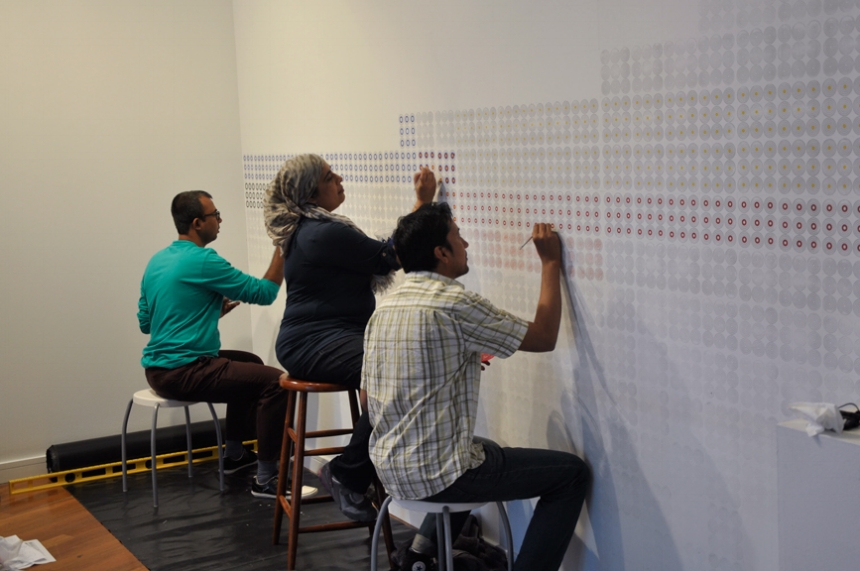
  Charbagh:  Process - Wall painting assisted by Roohi Ahmed and Adeel-uz-Zafar

Charbagh: Process - Wall painting assisted by Roohi Ahmed and Adeel-uz-Zafar

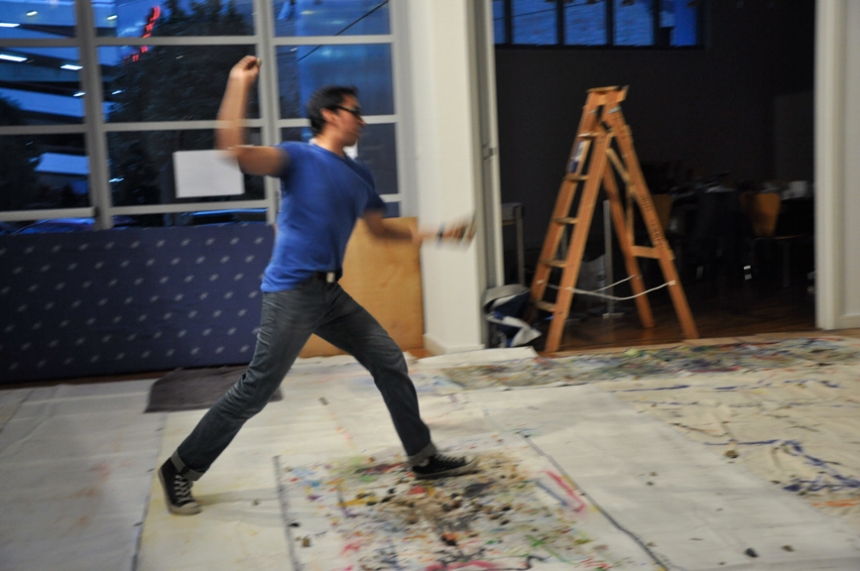
Charbagh (2013), Stone pelting performance

Charbagh: Stone pelting performance

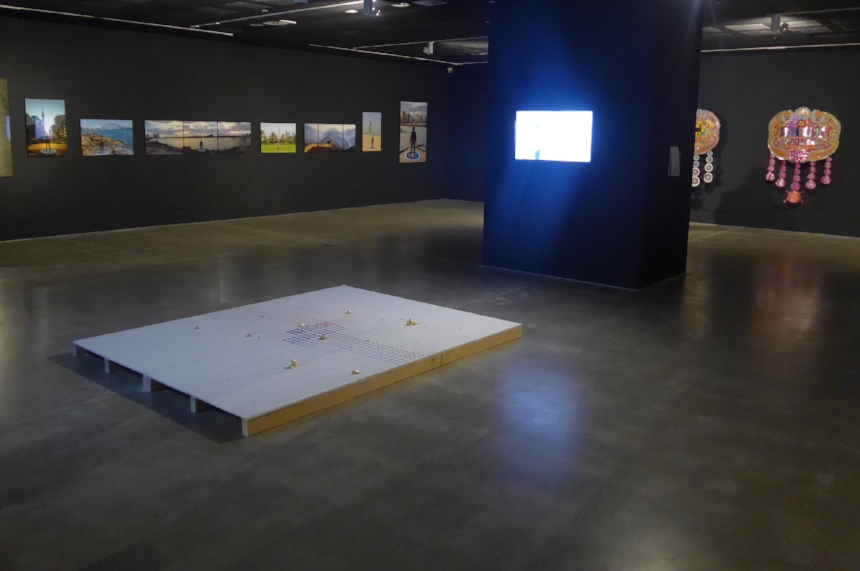
Charbagh (2013) Installation, Performance video documentation and pelted painted wall as a relic

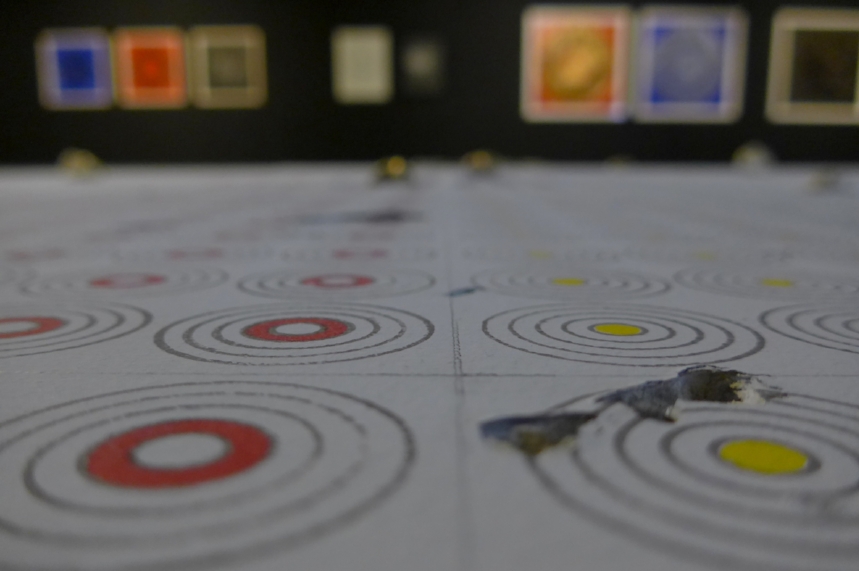
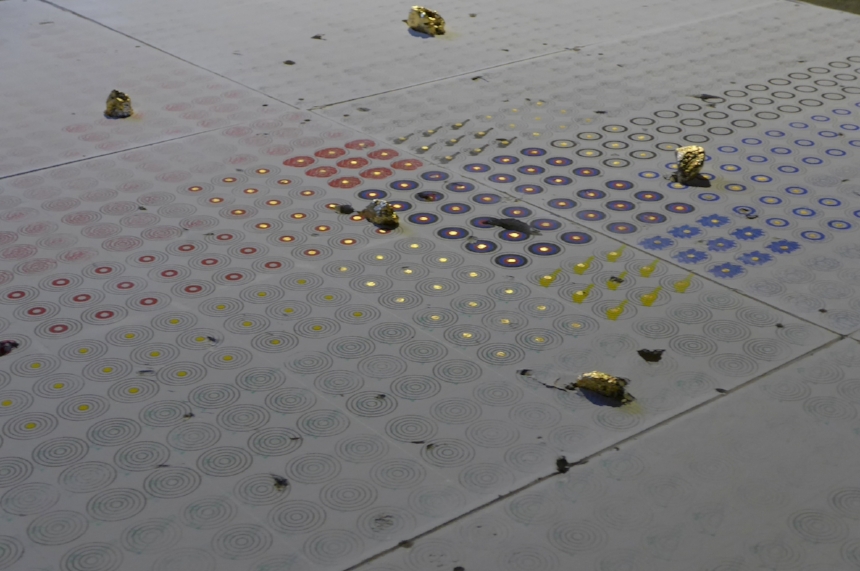
Charbagh, Installation (2015), Performance video documentation and pelted painted wall as a relic. UNSW Galleries, Sydney

  Charbagh , Installation, Detail 1

Charbagh, Installation, Detail 1

  Charbagh , Installation, Detail II

Charbagh, Installation, Detail II

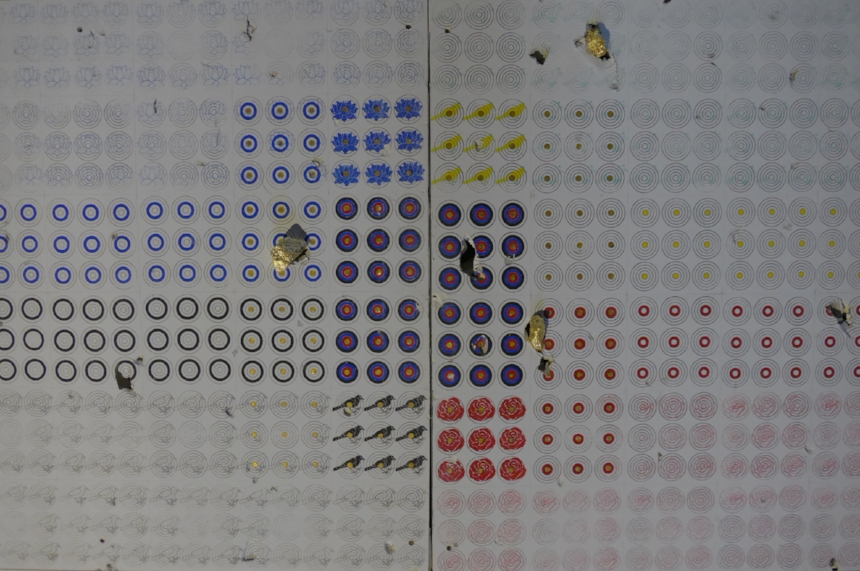
  Charbagh , Installation, Detail III

Charbagh, Installation, Detail III
  Charbagh:  Process - Wall painting assisted by Roohi Ahmed and Adeel-uz-Zafar Charbagh (2013), Stone pelting performance Charbagh (2013) Installation, Performance video documentation and pelted painted wall as a relic   Charbagh , Installation, Detail 1   Charbagh , Installation, Detail II   Charbagh , Installation, Detail III

Charbagh (2013), Blacktown Arts Centre, Sydney

September 17, 2014
Chahar-Bagh (2013) performance and installation took the narrative of my earlier pelted wall work (They see neither their heads, nor the stones, nor even the walls! 2011) further and critiques the politics of power between the East and West. In this live performance installation, the hallmark of the Islamic paradise garden of chahar bagh is created and then destroyed. The performance is an exercise of geographical erasure and myth buster. The five main characters/symbols in these works – the rose, lotus, nightingale, and target – pay homage to miniature and modern painting traditions of the exquisite garden of heavenly delights. Each symbol is stamped on the wall, and the symbols of the central axes are painted with colour sequences that derive from four rivers of chahar bagh (yellow for honey, red for wine, white for milk and blue for water, where black identifies the marble of the floor or the shadows the niche that is illuminated by a lamp). The stone pelting in Chahar Bagh was precise, like a drone attack or a master archer. My posture was in qiyam position and I played the archer as I have had learned and practiced archery for a year since the first pelted performance in Karachi in 2011. Unlike earlier pelting performances, here every throw had aim and every stone that hit the wall was felt. The force and the precision made the stone stick to the wall. Constructed with chip-rock, the Chahar Bagh wall was fragile. Soon the wounds started to appear and the four symbolic rivers were dry. The wall was crumbling. It was in ruins. The subsequent installation of the dismantled pelted wall as a floor installation is a prime example of my deep interest in transforming two-dimensional surfaces (drawings) into three-dimensional spatial enquiry (sculptures and installations) and vice versa. Finally, the performance and the resulted wall (cultural artefact/art object) question my identity as a Muslim male in diaspora, which defies geographical markers oscillating between East and West. The painting, wounding and destruction of the wall reflect communal injuries. The wall, the grid, the target and the flowers and birds, all allude to personal, political and geographical displacements between here and there, while the sound of stone pelting reverberates back as a reminder from some other place.
1 Caution This May Be Art.jpg
2 Caution This May be Art.jpg
3 Caution This May Be Art.jpg
1 Caution This May Be Art.jpg 2 Caution This May be Art.jpg 3 Caution This May Be Art.jpg

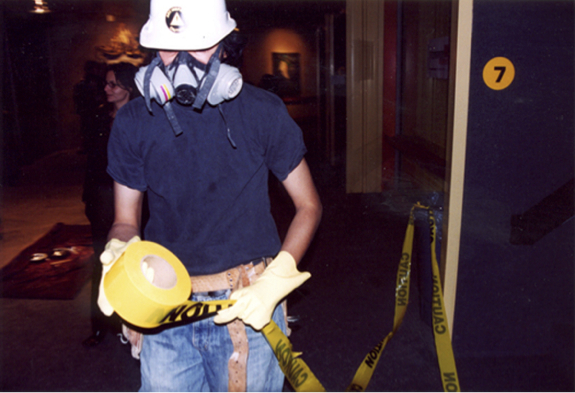
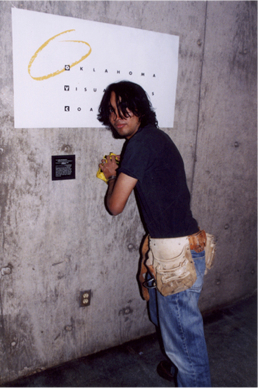
Caution This May Be Art (2003), Stage Centre Oklahoma

May 21, 2003

Powered by Squarespace